by EllenR | Feb 21, 2021 | Case studies – Fish
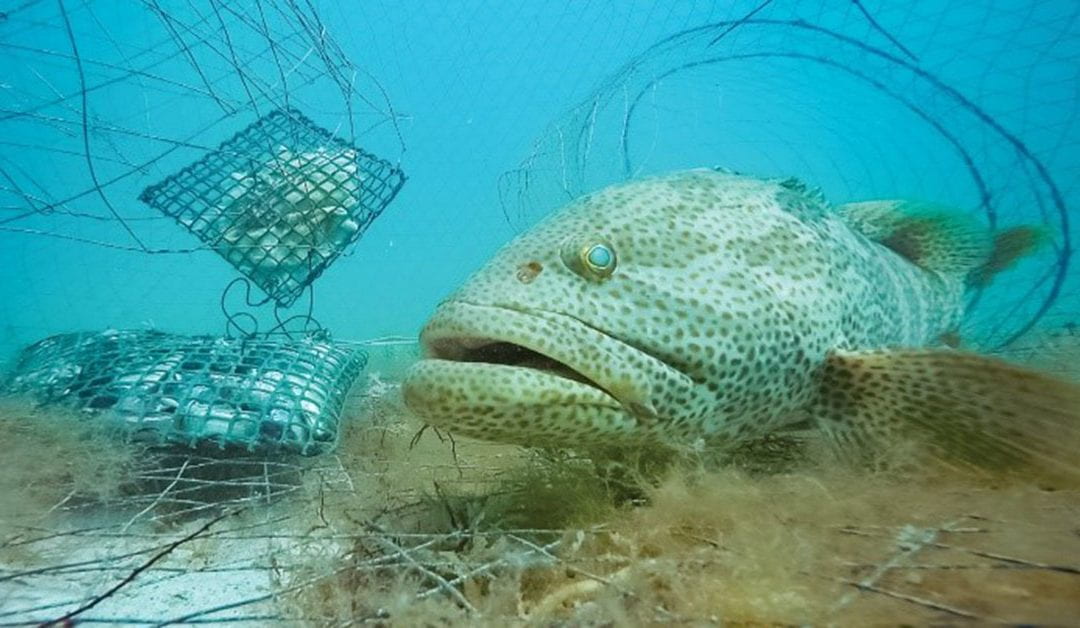
Surveying of fish stocks is possible through the use of cameras. One example of an important use is for estimating scampi abundance at depths of over 400 m. Cameras can be low cost. For example, GoPro cameras have been increasingly used to survey fish to understand...

by EllenR | Feb 21, 2021 | Case studies – Fish
Scallops are scientifically surveyed and harvested worldwide using dredges that damage the seafloor and risk fishery collapse in vulnerable areas.[1–4] New fishing methods are required that avoid environmental impacts and bycatch. In a preliminary case study, NIWA is...

by EllenR | Feb 21, 2021 | Case studies – Fish
The Deep Towed Imaging System (DTIS) has been used in Aotearoa New Zealand since 2006 to take pictures and video of deep-sea biodiversity and seafloor habitats. This is essential to better understand potential ecosystem effects of fishing. It has high-definition still...

by EllenR | Feb 21, 2021 | Case studies – Fish
Southern bluefin tuna consist of a single highly migratory stock.[1, 2] Juvenile fish spawn in one area in the Indian Ocean south of Java and the adults move far and wide, with those caught in Aotearoa New Zealand’s EEZ being the easternmost. The broad reach of this...

by EllenR | Feb 21, 2021 | Case studies – Fish
One product that has garnered increasing attention in the past two decades is collagen. Low-cost by-products such as fish skin and scales can be converted into collagen-based products, which have high added value potential for use in various health-related sectors,...